We will use a UK digital screens retailer as an example.
OThis post is designed as a learning guide for anyone looking to build a practical marketing strategy. To make the ideas easier to follow, we’ll use a real-world example — a UK-based digital screen seller — and walk through how they could structure a 3-month plan to boost sales. While the examples reference screens, the principles apply to any UK business aiming to increase sales, whether you sell services, products, or solutions.
Our aim is to show how SEO, content marketing, paid campaigns, and email can all work together to generate more leads and revenue, and how a small team with limited budget can execute effectively week by week.
Objectives and Key Focus Areas
-
Increase Quality Traffic & Visibility: Boost organic search rankings and website traffic in the UK market for relevant keywords (e.g. digital signage solutions UK, interactive touch screens for education). As 93% of online experiences start with a search engine , strong SEO is critical to being discovered by potential clients.
-
Generate Leads & Online Sales: Design content and campaigns that convert site visitors into leads (e.g. inquiry form fills, quote requests) and drive online purchases (if e-commerce is available). The primary goal is lead generation, so all marketing efforts (SEO, content, email, paid ads) will include clear calls-to-action and lead capture mechanisms.
-
Establish Industry Authority: Create valuable, educational content that addresses the needs of target industries. By educating instead of just selling (e.g. how digital signage benefits a hospital or a casino), the company builds credibility and trust. Notably, ~70% of B2B buying decision is made before a customer ever contacts a supplier – meaning our content must influence early-stage research and position the company as a top solution provider.
-
Integrate Channels for UK Audience: Utilize a mix of owned, earned, and paid media – content marketing, SEO, social media, email campaigns, partnerships, and targeted paid advertising – in an integrated way. As one expert notes, marketing in 2025 is “multifaceted, encompassing content strategy, media relations, social media, SEO, email campaigns, partnerships, paid marketing, events, and more”, all supporting brand awareness, lead gen, and customer retention . We will prioritize digital channels that yield high ROI for B2B in the UK, notably the website/blog (for organic inbound leads) and LinkedIn (for B2B targeting), while ensuring consistency of message across all channels.
Objectives and Key Focus Areas — TL;DR
Grow qualified UK traffic, convert visitors into leads and online sales, and build authority with industry specific content that answers buyer questions early.
SEO Strategy: Increasing Organic Visibility
A strong Search Engine Optimization (SEO) foundation will make the new website easier to find on Google by prospects actively searching for digital signage solutions. Notably, in 2024 the company website, blog, and SEO efforts were the top ROI-driving channels for B2B brands , so this is a high priority. The SEO plan includes:
-
Keyword Research & Long-Tail Targeting: Conduct thorough keyword research around the company’s products and industries. Focus on long-tail keywords that indicate clear intent and specific needs (3+ word phrases) . For example, instead of generic terms like “digital display,” target phrases like “interactive digital signage for schools” or “outdoor digital menu boards for restaurants UK.” Long-tail keywords have lower competition and often attract more qualified leads (someone searching “digital signage for hospital wayfinding UK” is likely looking for a solution we offer). Using tools (e.g. Google Keyword Planner, SEMrush) we will identify search volumes and relevant terms for each priority sector and product. These keywords will be mapped to appropriate pages or new content pieces.
-
On-Page Optimization: Optimize website content and metadata for target keywords. Each core product/service page and industry page (if not existing, we should create dedicated landing pages for major sectors) will have unique title tags, meta descriptions, headings, and body copy incorporating the keywords naturally. For example, a “Digital Signage for Retail” page should explicitly use that phrase and related terms (like “in-store digital displays”) in its SEO tags and content. We must avoid keyword stuffing and maintain natural, helpful copy . Additionally, include internal links between pages (e.g. blog posts linking to relevant product pages) to help search engines crawl the site and pass link equity.
-
Technical SEO & Site Performance: Ensure the new website follows technical best practices for SEO. This includes having a mobile-friendly, responsive design and fast page load times. Slow loading pages or errors can hurt rankings and drive away impatient users . We will run the site through tools like Google PageSpeed Insights and address any issues (optimize images, enable caching, fix broken links, etc.) . Also implement XML sitemap and schema markup (especially for products and reviews if applicable) to help Google index the content. If the business has a physical location or service areas, set up and optimize a Google Business Profile (Google My Business) to improve local SEO visibility for searches like “digital signage provider near me” – this is important given our focus on the UK market and potentially local clientele.
-
Link Building & Online PR: Increase the website’s authority by earning quality backlinks. The content marketing strategy (detailed below) will naturally attract links if we produce high-value resources. We can also pursue specific link opportunities: e.g. listing the business in UK industry directories or association websites for signage/AV solutions, contributing guest articles or expert quotes to trade publications (such as SignLink or other industry magazines), and partnering with complementary businesses for cross-promotion. Each backlink from a reputable, relevant site improves our search ranking potential. We will avoid spammy link schemes and instead focus on earned media through good content and PR outreach.
-
UK Localization: All SEO efforts will be tailored to the UK market. Use UK English spelling and terminology on the site (e.g. “organisation” vs “organization” where appropriate) and references to UK standards or events in content if relevant. Geo-target paid campaigns (discussed later) to the UK. If the company serves specific cities/regions, create content or landing pages that mention those locations (for example, a blog post on “Digital Signage Trends in London’s Retail Stores” could capture local interest). This will improve relevance for UK-based searches and signal to search engines the geographic focus.
By executing these SEO tactics, we aim to steadily improve organic rankings. Success will be measured by tracking keyword positions, organic traffic growth, and ultimately the volume of organic leads (form fills or calls that came via an organic search visit). SEO is a longer-term play (3-6+ months to see significant movement), but it is cost-effective and builds a sustainable pipeline of visitors. Importantly, investing in content creation is essential for SEO success – adding fresh, quality content regularly gives search engines more reasons to rank our site and helps capture a wider array of keywords . This brings us to the content marketing strategy.
SEO Strategy — TL;DR
Target UK long tail keywords, fix technical issues, optimise on page content and internal links, and build authority with quality backlinks and sector landing pages.
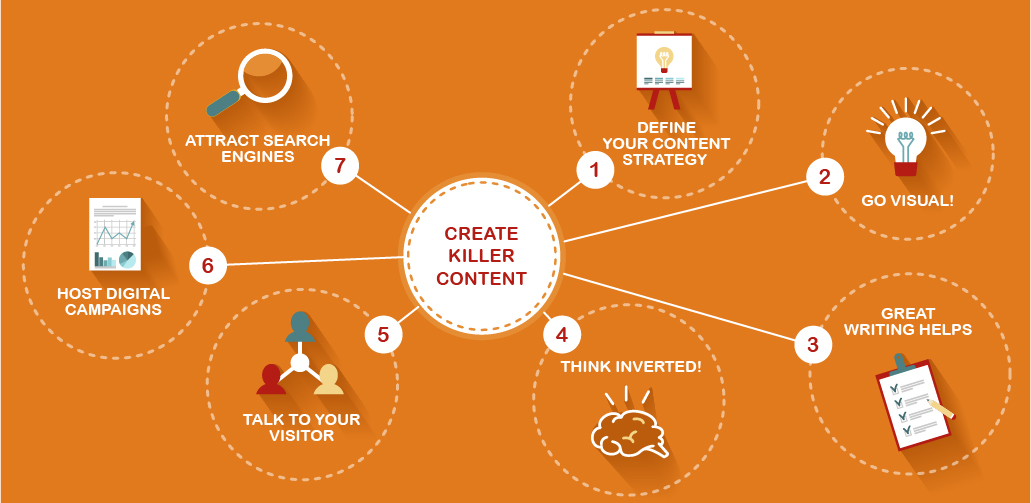
Content Marketing Strategy: Attract, Educate, and Convert
Content marketing will be the cornerstone of our strategy, addressing the primary focus on SEO and lead generation. By producing valuable content that speaks to each target sector’s needs, we will attract prospective customers to the website and guide them through the buyer’s journey – from awareness to consideration to decision. Not only does content fuel SEO, but it also builds trust: 74% of B2B marketers say content marketing has helped generate demand and leads in the past year . In fact, B2B companies that maintain an active blog generate 67% more leads per month than those that do not . Below is a breakdown of our content plan:

Content marketing delivers multifaceted benefits for B2B firms – it builds brand awareness (87% of marketers observed this), generates leads (74%), nurtures audiences (62%), and even directly contributes to revenue (49%) as shown above. By leveraging a mix of content types, we aim to replicate these successes for our digital signage business.
-
Content Themes & Topics: We will create a content calendar with topics that align to our target sectors and showcase use-cases of our products. The idea is to educate and solve problems for our audience, rather than just pitch products (addressing pain points builds credibility). For example:
-
Corporate: Blog about “Improving Internal Communications with Digital Signage in Corporate Offices” or a whitepaper on “Interactive Lobby Displays: Best Practices for Corporate Branding.”
-
Education: Write a guide on “Enhancing Student Engagement with Classroom Touch Screens” or a case study about a school implementing digital noticeboards.
-
Retail & Hospitality: Create content like “10 Ways Digital Signage Boosts Retail Sales” , “How Digital Menu Boards Increase Restaurant Revenue,” or an infographic of digital signage trends in hospitality.
-
Healthcare: An article on “Improving Patient Experience with Hospital Digital Signage.”
-
Casinos/Entertainment: A blog on “Engaging Casino Guests Through Dynamic Digital Displays.”
-
Industrial/Integrators: Perhaps a technical ebook on “Choosing the Right Industrial Digital Display – A Buyer’s Guide for System Integrators.”
Each piece will be tailored to a specific niche (“narrow your focus – speak directly to one niche” as one coach advises ). This ensures the content is highly relevant to the reader. Over time, by covering all these sector-specific angles, we position the company as an expert in applying digital display technology across contexts. We will also include general educational content on digital signage (e.g. “Digital Signage 101: A Beginner’s Guide,” “Touch Screen vs. Kiosk – What’s the Difference?”) to capture top-of-funnel interest. Customer education is key: as Colin McDermott (The Online Print Coach) says, content like checklists, how-tos, and behind-the-scenes insights can build trust and credibility .
-
-
Content Formats: We plan a good mix of formats to cater to different preferences, while noting the company’s resource constraints (video production is challenging for now). Primary formats will include:
-
Short-form Articles/Blog Posts: Regular blog posts (~500–1,000 words each, as per client preference) published on the website. These will be the backbone of our SEO strategy, targeting the keywords and questions our prospects search. Short articles are the most-used content type in B2B marketing (92% of marketers use them) , and are great for quick insights and updates.
-
Long-form Content & Guides: Occasionally produce more in-depth content (1,500+ words) like ultimate guides, how-to manuals, or industry reports. Long-form pieces can serve as “pillar content” that attract backlinks and rank for broader terms. For example, a comprehensive “Digital Signage Buyer’s Guide 2024” could be a flagship piece. We might repurpose such guides into multi-part blog series as well.
-
Case Studies and Testimonials: Develop case studies highlighting how our solutions benefited real clients (even if small projects to start). Storytelling about results (e.g. “Casino X saw a 20% increase in visitor engagement after installing our interactive displays”) provides social proof and is highly effective – case studies are rated one of the most effective B2B content types (53% effectiveness) . If we lack full case studies initially, even short testimonials or success snippets can be featured on the site.
-
E-books/Whitepapers (Gated Content): Create one or two premium content pieces that are offered in exchange for contact information. For instance, an e-book like “The ROI of Digital Signage in Retail – An Executive Report” can be gated behind a lead capture form. Gated assets serve as lead magnets: interested visitors will fill out a form with their name, email, company, etc. to download, converting anonymous traffic into identified leads for follow-up. Since the company has an email platform, this will feed our email marketing list for lead nurturing. (We will ensure the content is compelling enough that prospects find it worth providing their info).
-
Infographics and Visuals: Leverage infographics to convey statistics or tips in a visual way. Visual content is highly engaging – infographics are 30× more likely to be read than text and can boost website traffic by up to 12% . For example, we could design an infographic like “Digital Signage Usage Statistics 2025” or “Key Benefits of Interactive Kiosks” and share it on social media and the blog. Even if budget is tight, simple graphics can be created using tools like Canva. These also have potential to earn social shares and backlinks from other sites that may use our graphic (with credit).
-
Videos (Selective): While video production is noted as tricky, if feasible we should not ignore video entirely because it’s extremely powerful (58% of B2B marketers say video is the most effective content format ). We can start small: perhaps short demo videos recorded with a smartphone showcasing our products in action, or a screen-recorded tutorial. Even a 30-second clip of an interactive display in use at a client site can be repurposed for social media. If in-house video isn’t possible, another approach is webinars or live presentations (which can be done with just slides and audio). For instance, hosting a webinar like “How to Plan a Digital Signage Project – 5 Expert Tips” can generate leads (attendees register with email) and the recording can later be shared as gated content. We acknowledge video is challenging, so this will be a nice-to-have enhancement once the basics (blog, guides, etc.) are running smoothly.
-
Email Newsletters: (Covered in detail later in the Email Marketing section, but note that content from our blog will feed into newsletters as digest articles, ensuring multi-channel usage of each piece we create.)
Overall, the emphasis is on quality over quantity. Each piece of content should be well-researched, valuable, and tailored to the audience’s intent. For example, if writing “How much do outdoor digital displays cost?,” we should thoroughly answer that question with helpful detail (and subtly weave in how our company approaches pricing or quality). Matching content to search intent is crucial – when someone searches a question like “How much does a business sign cost?”, our blog should provide a clear, informative answer . This not only improves SEO (Google rewards content that satisfies user queries) but also keeps prospects engaged longer and moving closer to contacting us.
-
-
Content Frequency & Consistency: Plan for a consistent posting schedule to build momentum. We might start with 2 blog posts per month, then ramp up to 4 per month (weekly) if possible. According to industry surveys, B2B marketers often publish content weekly or multiple times per week – while we don’t need to meet that immediately, maintaining a regular rhythm (e.g. a new post every Tuesday) helps keep our audience engaged and signals to search engines that our site is active. Consistency is key; as Karis Copp advises, even when business is busy, “don’t let proactive marketing fall by the wayside – consistency will pay off” in the long run . Each quarter, we will review the content calendar and adjust topics based on what’s performing well and any new industry trends (for instance, if a new technology in digital signage emerges, we’ll create content around it).
-
Persona Development & Tone: We will define buyer personas for our key segments (e.g. Retail Marketing Manager Rita, Corporate IT Manager Ian, School Administrator Alice). For each persona, understand their pain points and questions. Our content tone will be informative, solution-oriented, and approachable. We want to be seen as a helpful advisor. Importantly, we’ll minimize overt sales pitches in educational content – delivering genuine value. This aligns with buyer preferences: 68% of B2B buyers feel that vendors should curb sales messaging in their content , and instead focus on insights. By demonstrating expertise without a hard sell, we build trust that later translates into inquiries.
-
CTAs and Lead Capture in Content: Every content piece will include a clear call-to-action (CTA) relevant to the stage of the buyer’s journey. For top-of-funnel blog posts, the CTA might be to download a related whitepaper (lead magnet) or to subscribe to our newsletter for more tips. For mid-funnel case studies, the CTA could be “Contact us for a free consultation on how this could work for you.” We’ll use sidebar banners or in-line text links as appropriate. Also integrate contact forms or “Request a Quote” buttons conspicuously on the site (e.g. always accessible in the header or footer). The goal is to make it easy for a reader who gains interest to take the next step. Additionally, implement an email sign-up form on the blog (“Subscribe for updates”) to capture prospects who may not be ready to contact sales but are willing to hear more over time. These mechanisms ensure that our rising traffic from SEO and content doesn’t leave without giving us a way to nurture them.
-
Monitoring Content Performance: Use analytics to track how each content piece performs. Metrics include page views, time on page (are people actually reading?), bounce rate, and especially conversion rate (does the content lead to form fills or other goal completions?). For SEO content, track the search rankings of those blog posts for target keywords. We will also pay attention to which topics draw the most engagement and consider those cues for future content (e.g. if “digital signage cost” article gets heavy traction, perhaps do a follow-up infographic or a webinar on that subject). Content marketing is iterative – we’ll continuously refine our topics and formats based on data.
In summary, the content strategy is to attract prospects with useful information, demonstrate our expertise through thought leadership, and guide them toward becoming leads. By doing so, we not only feed the top of the funnel with more traffic but also nurture visitors until they are sales-ready. This content will also supply material for social media posts, email campaigns, and can be leveraged by the sales team (e.g. sending a relevant blog post to a prospect who has a particular question). It’s a long-term investment that builds a library of assets working for us 24/7.
Content Marketing Strategy — TL;DR
Publish helpful, sector specific content and a few gated assets to capture leads. Focus on short blogs, case studies, guides, and simple visuals. Clear CTAs on every piece.
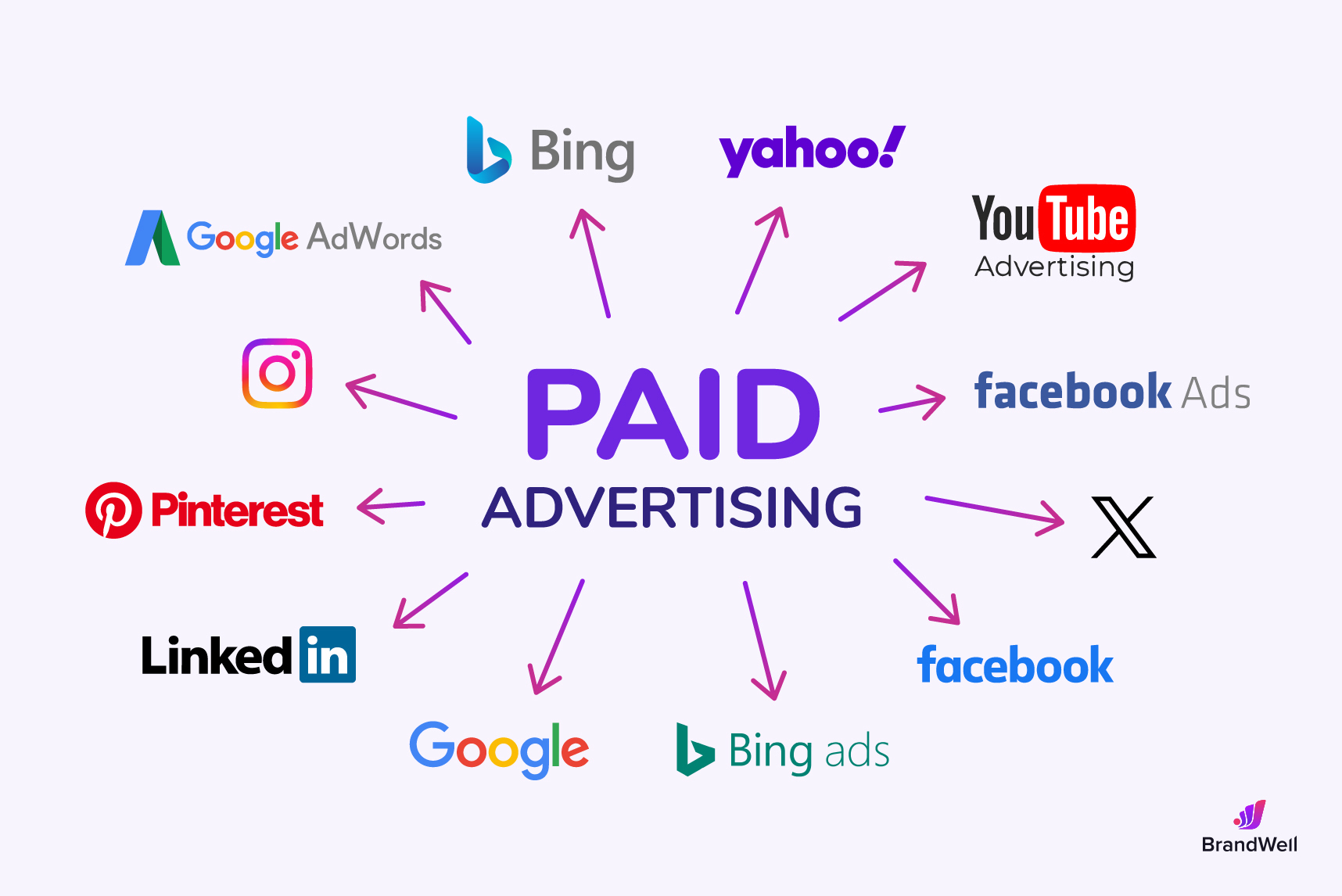
Paid Digital Advertising: Amplifying Reach and Targeting Leads
While SEO and organic content will drive traffic over time, paid digital channels can provide more immediate visibility and allow precise targeting – especially useful for reaching decision-makers in our niche sectors. The company is open to paid channels that tie into the content campaign, and has indicated a modest budget of around £500–£1,000/month for paid media. We will therefore allocate this budget strategically to get the best ROI. The focus will be on channels that either capture high-intent searches or allow B2B targeting in the UK. Key components of the paid media plan:
-
Search Engine Advertising (Google Ads): Google Ads will be a primary channel to capture demand from users actively searching for solutions. We will run pay-per-click (PPC) search ads on Google for relevant commercial keywords – for example: “digital signage supplier UK”, “buy interactive touch screen”, “outdoor digital display pricing”, etc. This ensures that even while our SEO is building, we appear at the top of results for important queries. Given the budget, we will start with tightly focused campaigns:
-
Branded Campaign: Ensure we bid on our own brand name and variations (if the company has a distinct name/brand) so that competitors cannot usurp those searches.
-
Core Product/Service Campaigns: Ad groups for terms around digital signage, touch screens, outdoor displays with UK targeting. We’ll use keyword match types to manage spend – e.g. phrase/exact matches for “digital signage UK” or “touch screen display for business.” These ads will click through to relevant landing pages on our site (with strong CTAs).
-
Industry-Specific Keywords: Where volume exists, target long-tail searches combining product + industry, like “digital signage for retail stores” or “hospital wayfinding digital signs.” These are lower volume but highly relevant; we can craft ad copy speaking directly to that industry (“Retail Digital Signage Solutions – Engage Shoppers with Dynamic Displays” for instance).
-
We will geo-target the ads to UK only (and specific regions if our service is limited to certain areas). A portion of the budget (say ~50%) could go to Google Search ads initially. We will closely monitor cost-per-click and conversion rates; search intent keywords often have higher conversion potential but can be competitive, so continuous optimization is needed (adding negative keywords to eliminate irrelevant clicks, adjusting bids on what works). The goal is to ensure we appear in front of prospects at the moment they are searching for what we offer.
-
-
LinkedIn Advertising: LinkedIn is a powerful platform for B2B lead generation due to its professional targeting capabilities. In fact, 89% of B2B marketers use LinkedIn for lead generation and 62% find it effectively produces leads . We will leverage LinkedIn in two ways:
-
Organic Presence: First, maintain an active Company Page on LinkedIn where we share our blog posts, case studies, and company updates. Also encourage our leadership/team to share content to build personal thought leadership. This organic effort costs no ad spend and helps build credibility among our network. (Many potential clients may check our LinkedIn page when evaluating us, so it should be up-to-date and professional).
-
Sponsored Content Ads: Using a portion of the paid budget, run Sponsored Content or Message Ads targeting specific job titles, industries, and company sizes in the UK. For example, we can target “Facilities Managers” or “Marketing Directors” in sectors like Retail, Hospitality, etc., with ads that promote a piece of content or offer. A recommended approach is to use a valuable content offer as the hook – e.g. “Free Guide: How Digital Signage Boosts Retail Sales (Download Now)”. When the user clicks, they can be brought to a LinkedIn Lead Gen Form (which pre-fills their LinkedIn contact info for easy submission) or to a landing page on our site to download the guide. Given LinkedIn’s higher cost per click, we’ll allocate budget carefully (perhaps ~30% of budget, e.g. £300/month, to test). We can run short campaigns around specific industries – for instance, a campaign in Q1 focusing on education sector when schools plan budgets, then switch to hospitality before summer, etc. We will measure leads acquired and cost per lead to judge effectiveness. If LinkedIn CPCs prove too high for our budget with little return, we may pivot to more cost-efficient channels, but generally LinkedIn is known for delivering high-quality B2B leads.
-
-
Retargeting Campaigns: Implement retargeting ads to re-engage people who visited our website but didn’t convert. Through Google Display Network and/or Facebook Ads, we can serve banner ads to past visitors as they browse other sites or social media. This keeps our company “top-of-mind.” For example, someone who visited our “Outdoor Displays” page might later see an ad “Still looking for an outdoor digital sign? Get a free quote from [Company].” Retargeting is typically low-cost and can yield good conversion rates because the audience is already familiar with us. A small portion of budget (~10%) will be assigned here. We will need to add tracking pixels (Google Ads remarketing tag, Facebook Pixel) to the website to build these audiences. We can also create segmented retargeting – e.g. a special ad for blog readers offering them to download a whitepaper, etc.
-
Other Social Media Ads: Given the budget constraints, we’ll prioritize LinkedIn and possibly a bit of Facebook for retargeting. Facebook/Instagram ads could be used to target small business owners or local businesses in a geographic area if that’s relevant, but in B2B digital signage, LinkedIn likely offers better targeting by role. Twitter (now X) is generally less effective for lead gen, and its usage by marketers has been dropping , so we will not focus spend there.
-
Budget Outline: To summarize a possible allocation of a £1,000/month budget:
-
Google Search Ads: ~£500/month – targeting high-intent keywords, optimized frequently.
-
LinkedIn Ads: ~£300/month – sponsored content to key industries/job roles, promoting lead magnets or webinars.
-
Retargeting (Google Display/Facebook): ~£100/month – low-cost ads to bring back site visitors.
-
Reserve/Testing: ~£100/month – to experiment with other channels or boost posts occasionally (for example, trying a small campaign on an industry newsletter or a small trial on Google Display interest targeting).
If budget is toward the lower end (£500), we’d focus primarily on Google Ads and retargeting, and do LinkedIn only organically until more funds are available. If the budget can increase once we prove ROI, we’d scale up what works (e.g. if Google Ads is delivering leads at £50 each and budget allows, invest more there).
-
-
Integration with Content Marketing: All paid campaigns will be tied into our content strategy rather than standalone pure ads. For instance, search ads will send traffic to optimized landing pages that likely include some educational content (not just a bare “Contact us” page, but one with info and then a form). LinkedIn ads, as mentioned, will often promote our content offers (guides, case studies). This approach warms up prospects with value and captures leads more effectively. Even retargeting ads can promote content like “New blog post: Top 5 Digital Signage Trends in 2025 – see what’s next!” to pull people back to the site. The idea is to use paid media to accelerate the reach of our content and ensure the investment has a lead-gen purpose behind it.
-
Tracking and Optimisation: We will set up proper tracking for all campaigns (conversion tracking in Google Ads, LinkedIn Insight Tag, etc.) to measure results. Key KPIs will include Cost per Lead (CPL) for each channel, Click-Through Rates of ads (to gauge ad copy effectiveness), and Conversion Rates on landing pages. We’ll perform A/B testing on ads (different headlines or images) and adjust targeting criteria based on performance. If certain keywords are too expensive without converting, we will pause them and reallocate budget to better ones. A flexible, data-driven approach will be taken to continually improve the efficiency of spend.
By using paid media in this focused manner, we expect to generate a steady trickle of leads early on, complementing the slower build of organic traffic. Paid campaigns will also give us immediate visibility in places where our organic presence is still growing, ensuring we don’t miss out on potential customers in the interim. Importantly, we’ll keep paid spend aligned with content and not overspend; every pound should be accountable (e.g. if LinkedIn lead gen ads yield leads at £80 each and we close one in ten into a sale, that’s £800 per customer – we’d evaluate if that ROI is acceptable based on customer lifetime value, or if we need to tweak our approach).
Paid Digital Advertising — TL;DR
Spend most on high intent Google Search, test small LinkedIn Sponsored Content for key roles, and run always on retargeting. Tie every click to a relevant landing page and measure CPL.

Email Marketing & Lead Nurturing
The company has an email platform in place, which is excellent because email marketing remains one of the highest ROI channels for nurturing B2B leads (often cited ROI is 40:1 or higher). We will use email in two primary ways: lead nurturing (drip campaigns) and e-newsletters. The goal is to convert interested prospects who are not yet ready to buy, and to drive repeat engagement and sales from both prospects and existing clients.
-
Building the Email List: All lead capture efforts (website forms for gated content, newsletter sign-ups, event/webinar registrations, etc.) will feed into a centralized email list or CRM. We will implement a double opt-in if required for compliance (especially important under GDPR in the UK – make sure we obtain clear consent to send marketing emails). As we create content offers, each download adds contacts. We may also import any existing customer or inquiry lists the company has (ensuring they’ve agreed to communication). The list can be segmented by interest or industry if we gather that info (for example, ask on forms “Industry: Retail/Education/etc.”). Segmentation allows sending more targeted content emails down the line.
-
Automated Drip Campaigns: Set up automated email sequences for new leads. For instance, when someone downloads our whitepaper on retail signage, they enter a nurture workflow: Email 1 (immediate thank you + link to download, plus a friendly intro of our company), then Email 2 (a few days later, “Additional Resources: Here’s a blog post or checklist on optimizing digital displays in stores”), Email 3 (a week later, “Customer Story: How Retailer X used digital signage to increase sales”), and Email 4 (another week later, “Ready to Learn More? – Offer a free consultation or demo”). This sequence gently educates and guides the lead toward considering a direct conversation. Each email in the series will be short, value-driven, and have a call-to-action (even if just to read another piece of content). The tone will remain consultative, not pushy. If the email platform supports lead scoring, we can score leads based on engagement (opens, clicks) to prioritize follow-up on the hottest prospects.
-
Monthly/Bi-monthly Newsletter: Launch a regular email newsletter to all subscribers (and perhaps a slightly different one to existing customers). This newsletter (monthly to start, could be more frequent if content allows) will feature:
-
Recent blog articles or videos (“In case you missed our latest insight…”).
-
An industry news or tip section (showcasing that we stay on top of trends – e.g. “Digital Signage News: New 2025 report shows 7.6% market growth in UK ”).
-
Possibly a featured product or limited promotion (if we have any special offer, but keep this minimal in content marketing context).
-
Company updates (if any new case study, client win, or event we’ll attend).
The purpose is to keep our brand top-of-mind for leads who may not be ready to purchase today but could in the future. By delivering valuable content to their inbox, we nurture the relationship. It also helps drive repeat traffic to our site as they click on the newsletter articles. We’ll design the email to be mobile-friendly and visually appealing (the email platform likely has templates). Given many companies inundate inboxes, our differentiation will be quality and relevance – not just blasting promotions. (Recall the advice: many companies either misuse email or don’t use it at all; done well, email can prompt repeat orders and referrals .)
-
-
Personalization: Whenever possible, personalize emails with the recipient’s name, and send from a human (e.g. the sales director or CEO’s name) rather than a generic company account – “people buy from people” and an authentic touch can improve engagement . We can also segment content: for example, if we know someone’s industry, include a blurb specifically for that (e.g. “Upcoming Event: We’ll be at Hospitality Tech Expo in London” only to hospitality leads). This requires list segmentation and is something to implement as the list grows and data allows.
-
Lead Handover to Sales: Define a process for when a lead should be flagged for direct sales follow-up. For instance, if a person interacts with multiple emails and downloads multiple resources, or explicitly requests a demo via a form, that contact should be handed to the sales team for a personal reach-out (if not done automatically already). The email platform or CRM can be configured to notify a sales rep once a lead reaches a certain engagement threshold. The sales outreach can then reference the content the lead consumed (e.g. “I saw you downloaded our guide on retail signage – would love to discuss any questions you have”).
-
Customer Retention and Upsell: For existing customers, use email to maintain the relationship. Send periodic emails about new product features, tips to get more out of their current solution, or relevant case studies (to perhaps upsell new applications). Since one of our goals is also customer loyalty/retention (per content marketing benefits ), we should not neglect this segment. Happy customers can lead to repeat sales or referrals. We might keep a separate segment or list for customers vs. prospects to tailor messaging appropriately.
-
Tools & Platform: If the current email platform has automation capabilities (like Mailchimp, HubSpot, etc.), we’ll make full use of those for scheduling and drip campaigns. If it’s a basic sender, we might consider upgrading to one that supports sequences and tracking (though mindful of budget – many platforms have affordable tiers).
-
Metrics: Track email open rates (aim for industry benchmark ~20%+ for cold prospects), click-through rates (CTR on links, maybe 2-5% is good initially), and conversion rates from email (did they reply or fill a form after an email). Also monitor unsubscribe rates to ensure we aren’t overwhelming or missing the mark. If open rates are low, test different subject lines or sending times; if CTR is low, adjust content or CTAs. Email gives immediate feedback, so we can continuously optimize content and design for better engagement. Achieving a strong newsletter that people look forward to is a long-term asset – it’s essentially free owned media once set up, and can directly drive leads (for example, an engaged subscriber might one day forward our email to their colleague saying “this is the company I mentioned for our signage project” – word of mouth facilitated by our content).
In essence, email marketing will tie everything together: content attracts the lead, paid ads might capture them, and then email nurtures them until they convert. It’s a critical piece in moving leads down the funnel and not letting them go cold. Given our small budget, email is cost-effective since sending emails to thousands is far cheaper than ads to reach the same people again.
Email Marketing and Lead Nurturing — TL;DR
Use automated drip sequences for new leads and a monthly newsletter to all segments. Personalise lightly, score engagement, and hand hot leads to sales quickly.

Additional Tactics and Considerations
-
Social Media & Online Presence: Beyond LinkedIn (discussed), we will maintain a presence on other relevant platforms. For example, a YouTube channel could host any videos we produce (even if few, it’s good for SEO as well). A Twitter/X account can be used for sharing content and industry news, though not a major lead source, it shows we’re active in the industry dialogue. Facebook might be used primarily for any local business outreach or retargeting, not a primary focus. Instagram could be surprisingly useful if we showcase visuals of our installations – it’s more B2C, but if we have eye-catching digital display visuals, posting them could attract attention and be repurposed on LinkedIn too. The key is we’ll use social channels to distribute our content and increase brand awareness. We won’t spread ourselves too thin – better to consistently manage one or two channels (LinkedIn and perhaps Twitter) than to open five and rarely update. As noted by experts, it’s fine to “not be everywhere – just show up consistently with value on one or two channels” .
-
PR and Partnerships: Consider occasional press releases or media outreach for major news (e.g. launching a new product line, securing a big client – anything newsworthy in the Food & Drink or Retail tech press, for instance). Being featured in industry news sites or blogs (earned media) can greatly boost credibility. Also explore partnerships – for example, if there are AV integrators or marketing agencies that serve our target sectors, we might co-create content or refer leads to each other. Guest posting on each other’s blogs or doing a joint webinar are ways to extend reach without heavy spend.
-
Live Events & Offline (if budget permits): Since focus is UK, if there are relevant trade shows or conferences (like education technology expos, retail tech events, etc.), a presence there can generate leads. We mention this because one expert noted “live events still hold the key to building lasting relationships… combine that with follow-up emails and retargeting ads for best effect” . If feasible, we can align content around events (e.g. write a blog “Top 5 Takeaways from [Expo] 2025” and share it after attending, to capitalize on event buzz). Even hosting a small workshop or seminar for local prospects could be part of content marketing (record it and you have a webinar replay content too). These are supplementary tactics for consideration when resources allow.
-
Website UX and E-commerce: Ensure the website is conversion-optimized. Prominent “Contact” buttons, an easy navigation, and maybe a live chat feature (if staffing allows) so visitors can ask questions in real time – live chat can increase conversions, especially for complex B2B products, by capturing those on-the-fence visitors. If the company does allow online purchasing for certain smaller products (as “online sales” was mentioned as a focus), we should streamline the e-commerce checkout and perhaps run specific Google Shopping ads or product page SEO for those items. However, typically big digital signage solutions involve consultation rather than click-to-buy, so lead gen is likely the main goal. If there are any self-service products (e.g. maybe standard screens or mounts sold online), a separate campaign and content around those could be done (including listing on platforms like Amazon or relevant marketplaces).
-
Budget for Tools: The company is open to subscribing to platforms if high impact, but cautious on spend. We should utilize free or low-cost tools where possible. For SEO, Google Analytics and Search Console are free must-haves for tracking traffic and indexing status. A freemium SEO tool like Moz or Ubersuggest can be used for basic keyword tracking. For social scheduling, free versions of Hootsuite or Buffer might suffice. Since content is priority, if any budget for tools, perhaps invest in a good SEO research tool for a month or two to get initial keywords and in a graphic design tool for creating visuals (Canva Pro is inexpensive). Another useful investment could be a CRM system (HubSpot has a free CRM) to manage the incoming leads and track their interactions across marketing channels. Given the importance of aligning sales and marketing, a CRM ensures no leads slip through cracks and we can measure downstream sales from our marketing.
-
Compliance: Ensure all marketing complies with UK regulations (GDPR for data privacy – include clear opt-outs in emails, cookie consent on the site for tracking pixels, etc.). Our reputation is built not just on content but on trust, so we handle data respectfully and transparently.
-
Timeline & Execution: We propose the following phased approach:
-
Month 1-2: Setup phase – Complete keyword research, SEO audit fixes on website, create content calendar, write/publish the first few blog posts, set up Google Ads and LinkedIn campaigns (small scale test), configure analytics and email platform (with one nurture sequence ready). Essentially, lay the groundwork.
-
Month 3-6: Consistent content production – Publish new content regularly, ramp up SEO efforts (maybe start outreach for backlinks or guest posts), refine PPC based on initial results (increase budget on campaigns that show low CPL, pause underperformers), launch the monthly newsletter, gather at least one case study. By Month 6, aim to see an uptick in organic traffic (perhaps +20-30%), a growing email list, and a steady trickle of leads from all sources (e.g. a few organic leads, a few from PPC, etc. each month).
-
Month 6-12: Expansion and optimization – Evaluate which content topics and channels yield the best quality leads. Possibly expand into new formats (try a webinar or short video as content), enrich the website (maybe add a FAQ section or knowledge base addressing common queries – helps SEO and customer support), and consider scaling successful campaigns (increase content output if possible, invest more in ads if ROI positive). Also at this stage, do a review of competitors: see what new content or SEO moves they are making, and adjust to stay ahead (competitor content gap analysis can reveal topics we haven’t covered yet but should).
-
Throughout, maintain flexibility. For example, if an industry sector (say Healthcare) shows a lot of engagement with our content, we might double down with a dedicated campaign for hospitals. The plan should evolve with data feedback.
-
Additional Tactics and Considerations — TL;DR
Keep LinkedIn organic active, pursue PR and partnerships for links, consider selective events, add live chat, and use low cost tools for SEO, graphics, and CRM.

Measurement of Success
To ensure the strategy is delivering, we will track a set of Key Performance Indicators (KPIs) and adjust tactics as needed:
-
Website Traffic (Organic, Referral, Paid): Aim for steady growth in organic sessions from Google (SEO efforts). Also track direct traffic (could indicate brand awareness rises) and referrals (from social or PR placements). Use year-over-year or month-over-month comparisons after a baseline is established.
-
Lead Volume and Quality: The number of leads (form submissions, sign-ups, calls) per month, and the quality (measured by conversion to sales or sales feedback). We should see lead volume increase as traffic increases. But more importantly, track how many of those leads turn into opportunities or customers – that is the ultimate validation of marketing quality.
-
Conversion Rates: Key conversion rates include: website visitor to lead %, lead to customer %, and specific conversion rates on landing pages or content offers. For instance, if 100 people visit the “Guide download” page and 15 submit the form, that’s a 15% conversion – we can optimize page copy or form fields to improve that if needed.
-
SEO Rankings: Monitor Google rankings for a set of target keywords (especially high-intent ones). Getting onto page 1 for several of these within 6-9 months would be a success indicator for SEO. Also, track the number of keywords the site ranks for in general (should grow as we add content).
-
Content Engagement: For content, metrics like average time on page (higher means content is resonating), social shares, comments or feedback, and backlink count to content pages (did any other site reference our blog post?) are valuable. If we notice, for example, that infographics get shared a lot, we might allocate more effort there.
-
Email Engagement: Open and click rates on emails as mentioned, as well as growth of the subscriber list. A low unsubscribe rate means our content is relevant to subscribers.
-
Paid Campaign ROI: Calculate ROI for ads – e.g. if we spend £500 in a month on Google Ads and get 10 leads, cost per lead = £50. Then if our average deal size is, say, £5,000 and 1 in 10 leads closes, we spent £500 to acquire a £5,000 sale (which is a 10x return, minus any product costs). These figures will guide budget decisions. We will also compare performance across channels (maybe Google Ads CPL is £50 vs LinkedIn CPL £100 – we would then focus more on Google unless LinkedIn leads are of significantly higher value to justify the cost).
-
Brand Awareness Indicators: Although harder to quantify, we can look at things like increased direct traffic or search volume for our brand name as a proxy for improved brand awareness due to our content and social presence. Also, engagement on social media (followers, comments) and any press mentions can be tracked qualitatively.
Regular reporting (monthly or quarterly) will be done to review these metrics with the team and decide on any pivots or amplifications in strategy. The beauty of digital marketing is that it’s highly measurable and adjustable in real-time.
Measurement of Success — TL;DR
Track organic traffic, leads, conversion rates, keyword rankings, email engagement, and paid CPL. Review monthly and reallocate budget to the best performers.
So, what have we covered here?
By implementing this comprehensive marketing plan, the company will build a strong online presence in the UK and a sustainable pipeline of leads. The new website will become a hub of valuable content – attracting the right audience through search engines and social media. Prospects will learn about our digital signage solutions via insightful blogs, guides, and case studies that speak to their industry needs, building trust long before the sales conversation. This content-driven approach is paired with targeted SEO optimisations to ensure we rank well on Google (organically capturing intent-driven traffic), and with smart paid advertising to accelerate reach and generate immediate enquiries. All the while, email marketing works in the background to cultivate relationships with prospects until they are ready to engage sales, as well as to maintain loyalty with customers.
Crucially, the strategy is designed to be cost-effective and high-impact – focusing on channels proven to yield ROI for B2B (website, SEO, and targeted social media ) and leveraging mostly in-house content creation and relatively low-cost distribution (content and email). By educating the market and positioning the company as a thought leader in digital display solutions, we aim to not only generate leads, but also shorten sales cycles (because informed prospects come to us pre-sold on the value) and increase win rates (because we’ve nurtured them with proof and knowledge).
In summary, this plan will help the company stand out in a competitive market by consistently showing up where potential customers are looking – on search engines, on LinkedIn, in their inbox – with the right messages. Over the next 12 months, as we execute and refine these tactics, we expect to see significant growth in brand awareness, website traffic, and most importantly, qualified leads entering the sales funnel. With marketing and sales working hand-in-hand (through feedback and lead follow-up), the ultimate result will be more conversions and revenue, achieving the business’s growth goals in the UK digital signage space.
Sources:
-
WebFX – “3 SEO Best Practices for Sign Companies” (importance of search engines, long-tail keywords, and content marketing for leads)
-
SignLink – “How to Market Your Signage Business in 2025” (expert tips on planning, customer-focused content, consistency, and integrated approach)
-
Content Marketing Institute – “B2B Content Marketing Benchmarks 2025” (content marketing outcomes: 74% lead generation)
-
HubSpot – “Marketing Statistics 2025” (top ROI channels for B2B, LinkedIn usage for lead gen)
-
OpenView (via HubSpot/CMI) – “State of B2B Content Marketing [Infographic]” (blogs generate 67% more leads; buyers value vendor content in decisions)
-
DemandSage/Hootsuite – Visual Content Stats (infographic effectiveness for engagement)
-
Additional industry insight – Grand View Research (UK digital signage market growth)

Mark Chaskelson is a Bristol-based digital marketing specialist and creative strategist with over a decade of experience driving growth for brands across e-commerce, technology, and sustainability. As the founder of Creative Monarchy and EcoMove, Mark has led campaigns spanning SEO, content creation, and performance marketing, helping businesses build visibility and generate measurable results. Known for combining creativity with data-driven thinking, he thrives on crafting engaging video, social, and web content that sparks conversations and drives leads.